

January 2026
There’s a particular kind of exhaustion that comes from vacation, the kind where you return home needing a vacation from your vacation. You’ve checked all the boxes, photographed all the landmarks, and somehow feel less rested than when you left.
Vermont offers a different possibility: travel that restores rather than depletes. Slow travel Vermont isn’t about doing less because you’re lazy or uninspired, it’s about experiencing more by moving through the world differently.
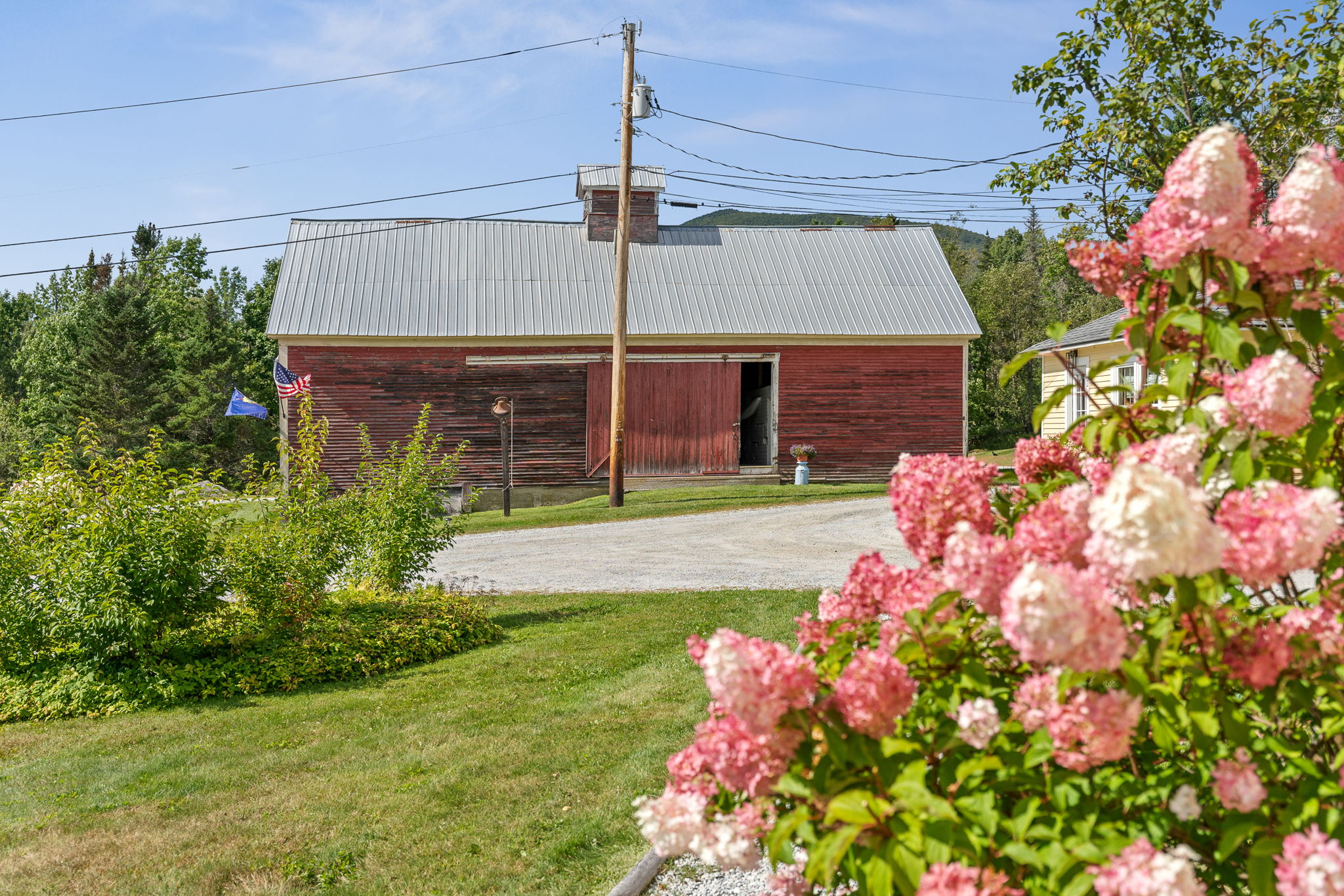
At Red Clover Inn, we’ve witnessed this transformation countless times. Guests arrive with ambitious itineraries and type-A energy, planning to “maximize” their time. By day two, something shifts. The breakfast that was supposed to be quick stretches into an hour of conversation and second cups of coffee. The hiking plan becomes a leisurely walk. The afternoon reserved for “activities” becomes reading by the window, watching clouds move across mountains.
By departure, they’re different people, calmer, more present, somehow more themselves.
This is the art of slow travel in Vermont. And once you understand it, you’ll never want to travel any other way.
What Slow Travel Actually Means
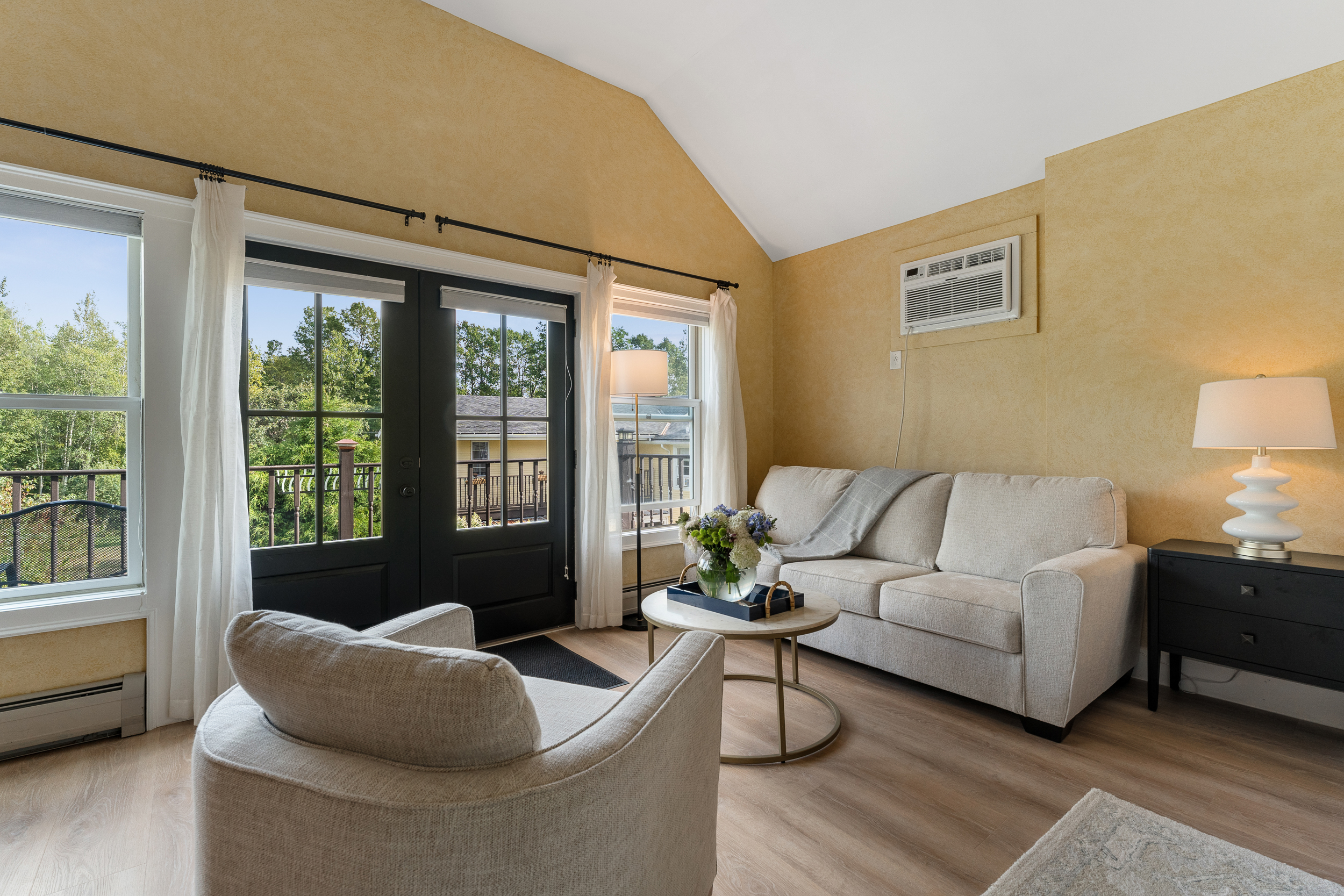
Slow travel Vermont isn’t simply staying longer in one place (though that helps). It’s a fundamental shift in how you measure a trip’s success.
The Old Metric: Quantity
- How many towns did we visit?
- How many miles did we cover?
- How many attractions did we see?
- How many photos did we take?
The New Metric: Quality
- How present did we feel?
- What conversations will we remember?
- What did we notice that we would have missed rushing?
- How do we feel now?
At Red Clover Inn, mindful travel New England style means replacing the frantic accumulation of experiences with the patient deepening of a few really good ones.
Why Vermont Is Perfectly Designed for Slow Travel
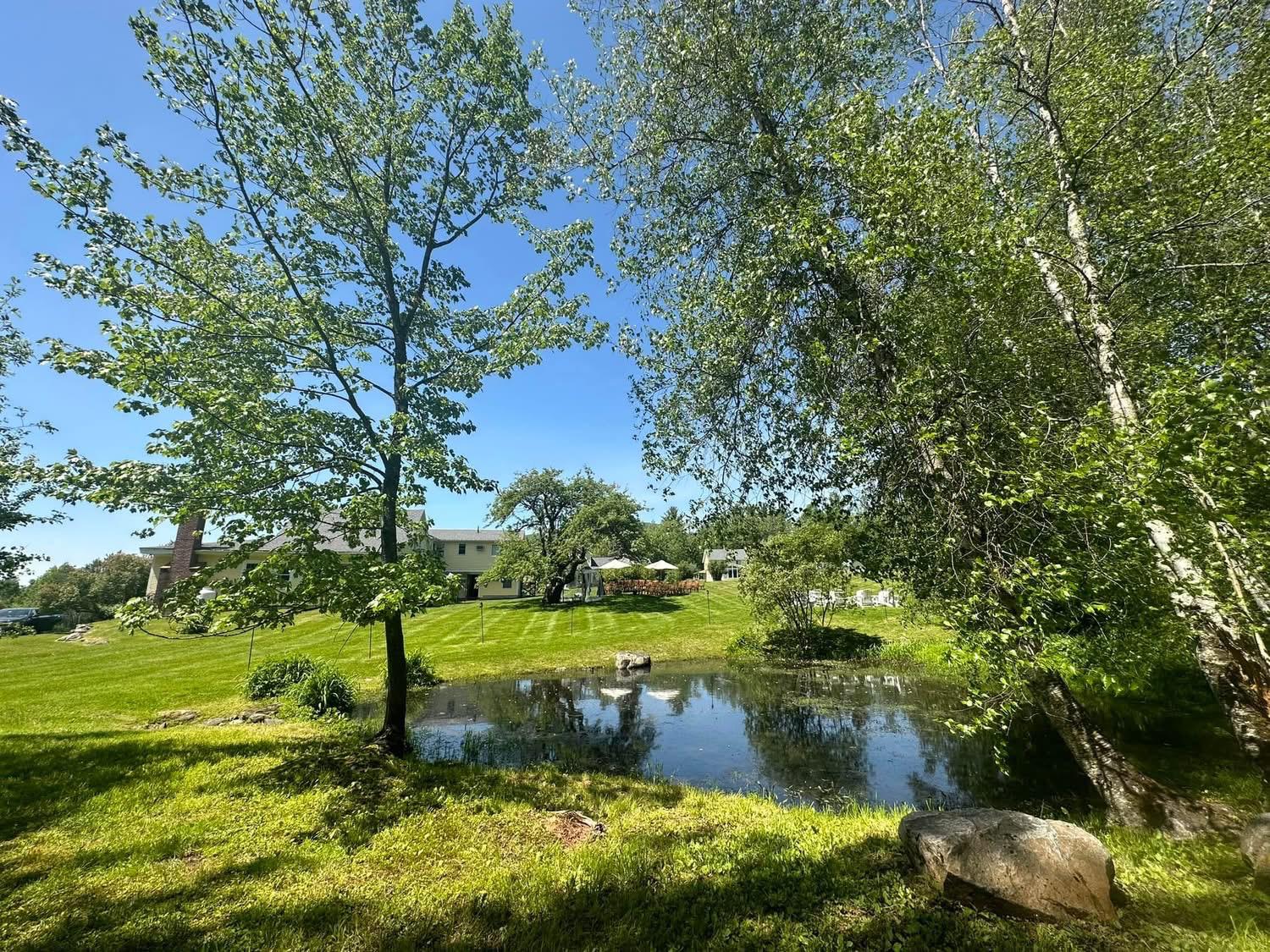
Some destinations reward rapid exploration, cities where energy comes from constant movement, places where variety demands coverage. Vermont isn’t one of them.
The Landscape Invites Lingering
Vermont’s beauty isn’t concentrated in a few must-see spots you can check off. It’s distributed everywhere, in details you only notice when you’re not rushing:
- The way afternoon light slants through a covered bridge
- How a country road curves just so around a hillside farm
- The particular green of a meadow after morning rain
- The rhythm of a stream you stop to listen to for ten minutes
These moments don’t appear on itineraries. They reveal themselves only to travelers moving slowly enough to be available.
The Culture Values Presence
Vermonters aren’t in a hurry, and it shows. The cashier at the country store asks how you’re doing and actually wants to know. The farmer at the market explains how they grow their tomatoes if you have a moment to listen. The server at the local restaurant knows which tables want conversation and which want quiet.
This cultural pace gives you permission to slow down too, to have the longer conversation, to ask the extra questions, to let lunch take two hours because why not?
The Activities Reward Patience
Vermont’s best experiences can’t be rushed:
- A mountain hike reveals different views at different paces
- A brewery or cheese maker’s story emerges through conversation, not signage
- A small town’s character shows itself over hours, not minutes
- Foliage colors deepen as you watch, light shifting moment to moment
- Speed doesn’t make these better. Presence does.
The Red Clover Inn Approach to Slow Travel
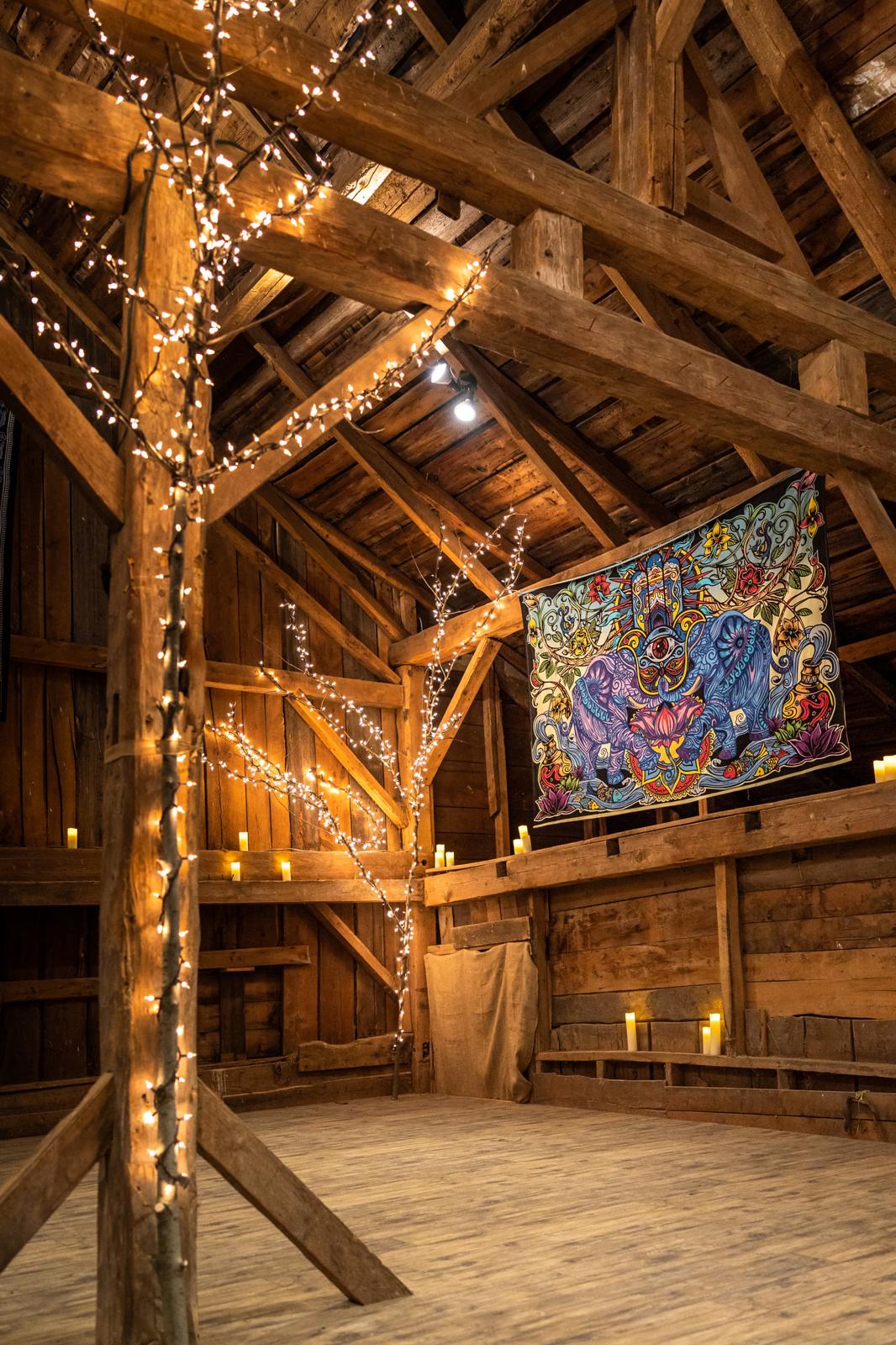
We’ve spent years learning how to support relaxed Vermont vacations that truly restore. Our approach begins with how we think about hospitality itself.
We’re a Home Base, Not a Checkpoint
Many travelers treat lodging as simply where you sleep between activities, a place to shower and collapse before the next day’s agenda begins.
Red Clover Inn invites a different relationship. We’re not a checkpoint on your itinerary; we’re the center around which everything else orbits.
This means:
- Spaces designed for lingering: Our library, living room, and terrace aren’t pass-through areas—they’re destinations themselves
- No pressure to leave: Some of our happiest guests are ones who spend an entire afternoon reading by our fire or walking our seven acres
- Rhythm, not schedule: Breakfast when you’re ready (within reason), departure when you’re packed, return when the day feels complete
- The same room, multiple nights: Unpacking fully, settling in, making the space temporarily yours
We Encourage Saying No
Heretical as it sounds in the hospitality industry: we often suggest guests do less.
When someone arrives with an overstuffed itinerary, three towns, two hikes, a brewery tour, and a cheese maker all in one day, we gently offer alternatives:
- “That mountain you want to hike? What if you gave it the whole morning, had lunch at the summit, descended slowly, and spent the afternoon recovering here?”
- “Those four towns you planned to visit? What if you chose one, really explored it, talked to locals, had a proper lunch, wandered without agenda?”
This isn’t discouraging exploration, it’s protecting the quality of the experience. Slow travel Vermont means choosing depth over breadth.
We Model the Pace We Encourage
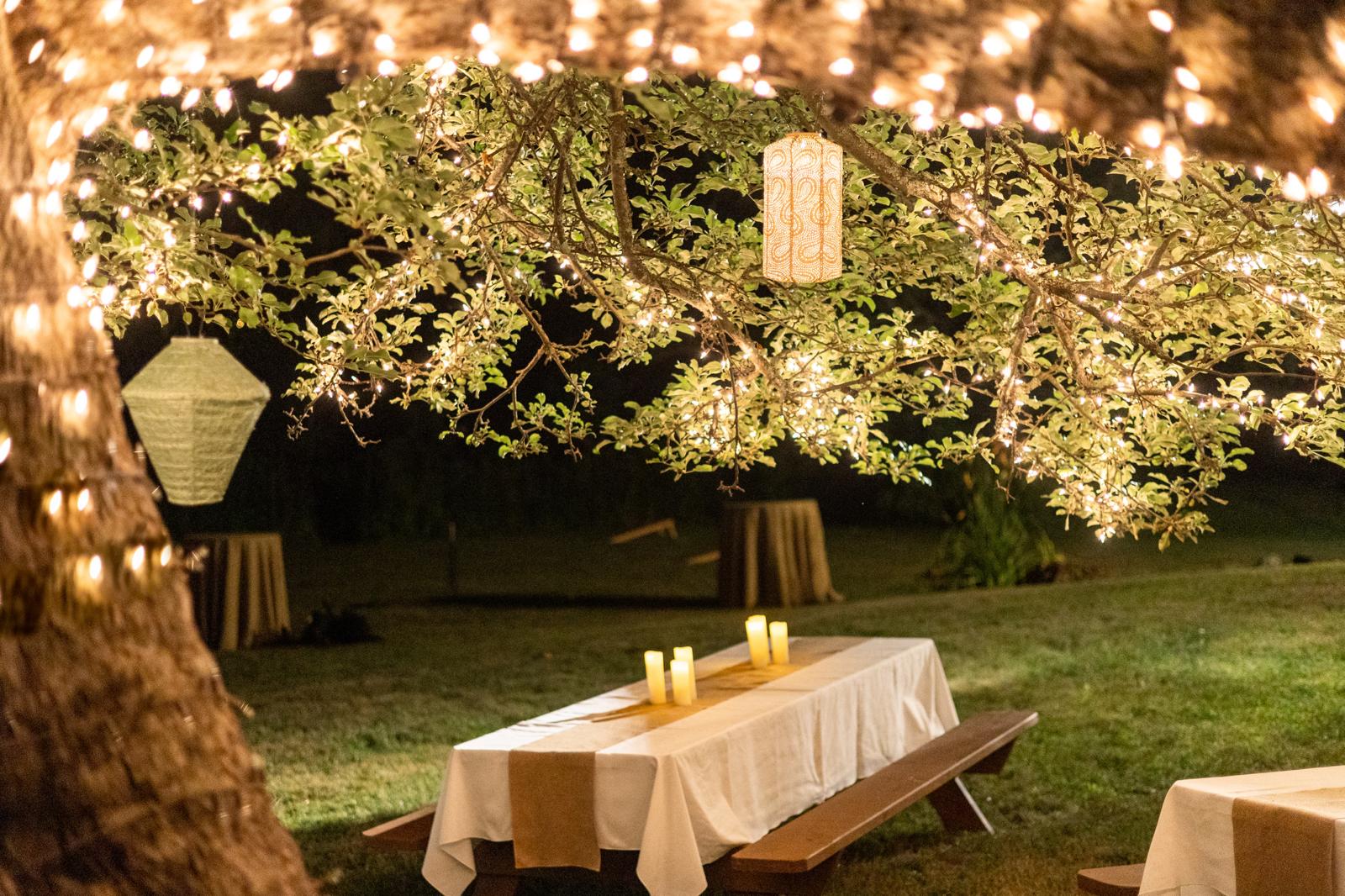
Our team doesn’t rush. Continental breakfast isn’t efficiently delivered and cleared, it’s served with attention, conversation when welcome, and no pressure to vacate your table.
Check-in isn’t a transaction; it’s a genuine welcome and orientation. We share local knowledge, answer questions, offer suggestions, taking whatever time feels right.
Throughout your stay, we’re present without hovering, available without intruding. We understand the difference between being attended to and being left beautifully alone.
What Slow Travel Looks Like at Red Clover Inn
Let us paint you a picture of mindful travel New England style, unfolding across a long summer weekend:
Friday Evening: Arrival and Decompression
You arrive at Red Clover Inn mid-afternoon, earlier than you originally planned because you realized fighting rush-hour traffic to squeeze in “one more thing” would defeat the purpose of this trip.
Check-in is unhurried. We show you around, not a scripted tour, but a genuine “let me show you your temporary home.” Your room overlooks the mountains. You unpack completely, hanging clothes in the closet, arranging books on the nightstand. Already you can feel something releasing.
Early dinner at a nearby farm-to-table restaurant we recommended. You’re seated by a window. The server isn’t rushing you. You realize halfway through the meal that neither of you has checked your phone. Conversation flows easily, the way it used to before life got so noisy.
Back at the inn by sunset, drinks on the terrace, watching the day’s last light on the mountains. Bed early with a book. The deep sleep of people who’ve already slowed down.
Saturday: The Day That Unfolds
No alarm. You wake naturally to birdsong and mountain light. Dress slowly, wander downstairs to find coffee and a breakfast that’s clearly made with care, not efficiency.
You end up talking with another couple at breakfast, where they’re from, what brought them here, recommendations exchanged. An hour passes before you realize it.
The hike you planned? You go, but you stop often. Not because you’re tired, but because you keep noticing things: the way moss grows on the north side of rocks, a hawk circling overhead, the sound of wind in different types of trees. The summit view is spectacular, but so was the journey up.
Back at Red Clover Inn by early afternoon, and suddenly the idea of getting back in the car feels wrong. So you don’t. You claim a spot in the library. Read. Nap without guilt. Eventually wander the grounds, discovering corners you hadn’t noticed yesterday.
Late afternoon, a short drive to a local farm stand. You spend an hour there, not because it’s large, but because you’re talking with the farmer about their growing season, tasting heirloom tomatoes, watching their children play in the field behind the stand.
Dinner is simple: cheese and bread and vegetables from the farm stand, eaten on your room’s private porch. You stay out there long after you’ve finished eating, just watching the light change.
Evening finds you by the inn’s fireplace with wine, journaling or simply thinking. Early to bed again, but not because you’re exhausted from doing too much, because you’re satisfied from being fully present.
Sunday: Gentle Re-entry
Another unhurried morning. Breakfast might be on the terrace if weather permits. You realize you haven’t once felt the need to check email or scroll social media, not from discipline, but from genuine lack of interest.
Before checkout (which is flexible because we understand you’re not ready to leave), one more walk. Maybe just around the property, or down the quiet road that runs past the inn. Moving slowly, storing up this feeling of spaciousness for the week ahead.
Departure feels bittersweet. You’ve been here less than 48 hours, but it feels like longer, in the best way. Time expanded rather than compressed.
Summer and Fall: Peak Seasons for Slow Travel
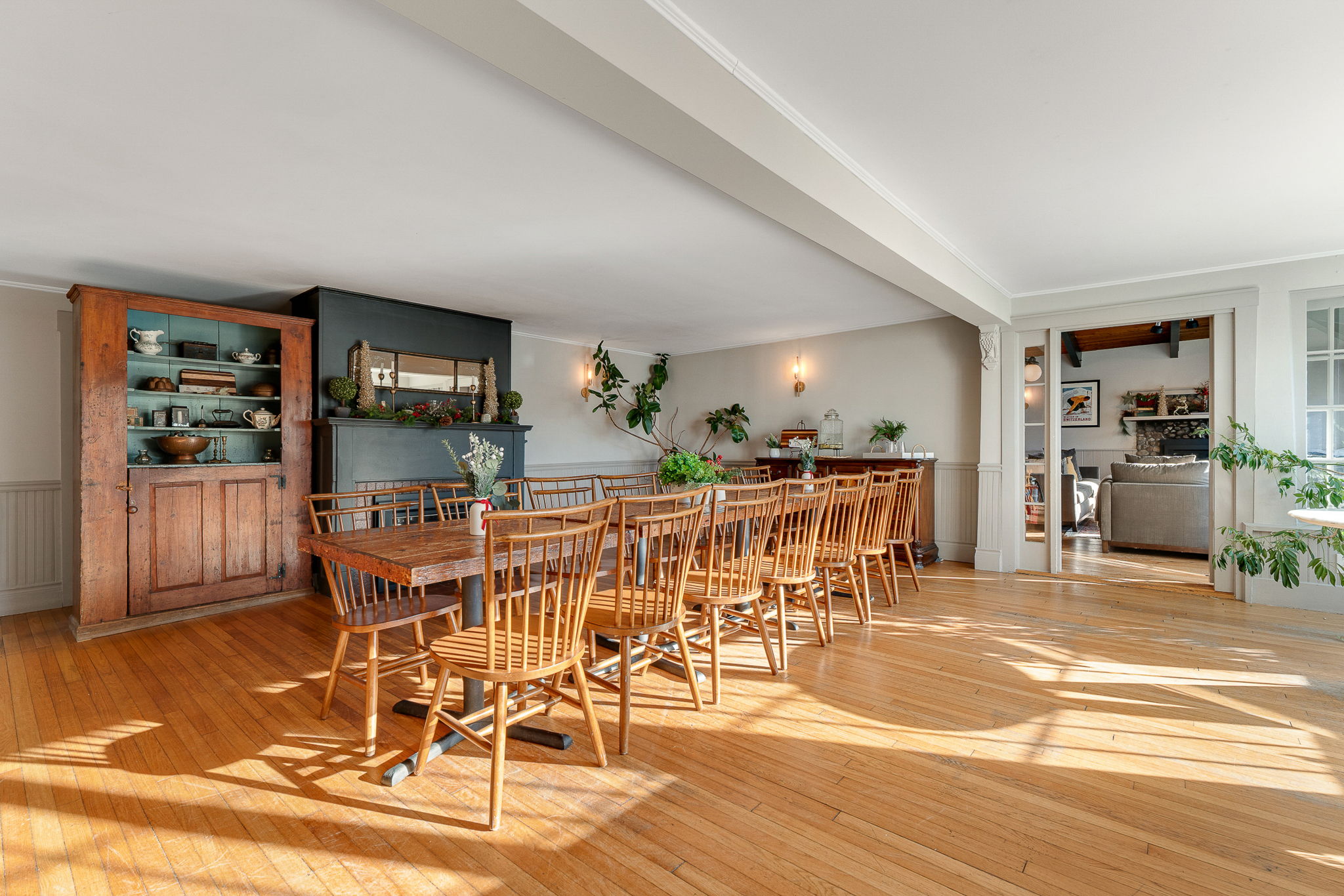
While slow travel is possible year-round at Red Clover Inn, summer and fall offer particular gifts to those who linger.
Summer’s Generous Pace
Long summer days give you permission to move slowly. When daylight lasts until 8:30 PM, there’s no rush. You can:
- Start the day late with a long breakfast on the terrace
- Spend midday exploring at whatever pace feels right
- Return to the inn for afternoon rest without feeling you’re “wasting” the day
- Still have evening hours for walks, dinner, stargazing
Summer’s warmth also means relaxed Vermont vacations can happen largely outdoors. Our grounds become an extension of your living space. Morning coffee under trees. Afternoon reading in an Adirondack chair. Evening conversations as fireflies emerge.
The abundance of summer farmers’ markets, outdoor concerts, and community events means you can build gentle social connection into your slow travel, engaging with Vermont life rather than just observing it.
Fall’s Contemplative Beauty
Fall practically demands slow travel. The foliage isn’t something you rush past and check off, it’s a spectacle that rewards sustained attention.
At Red Clover Inn during fall, slow travel might mean:
- Claiming a window seat and watching the mountains for an hour as light and wind shift the colors
- Taking the same scenic drive multiple times because it looks different each time
- Letting a “quick stop” at an orchard turn into an afternoon of apple picking and cider tasting
- Spending an evening organizing the photos you took, really looking at them, reliving moments rather than just collecting images
The crispness of fall air also invites longer walks, more time outdoors, the kind of physical movement that’s restorative rather than exercise. And when you return to the inn, the fire is lit, the light is golden, and settling in feels like the day’s perfect conclusion.
The Practical Benefits of Slow Travel Nobody Mentions
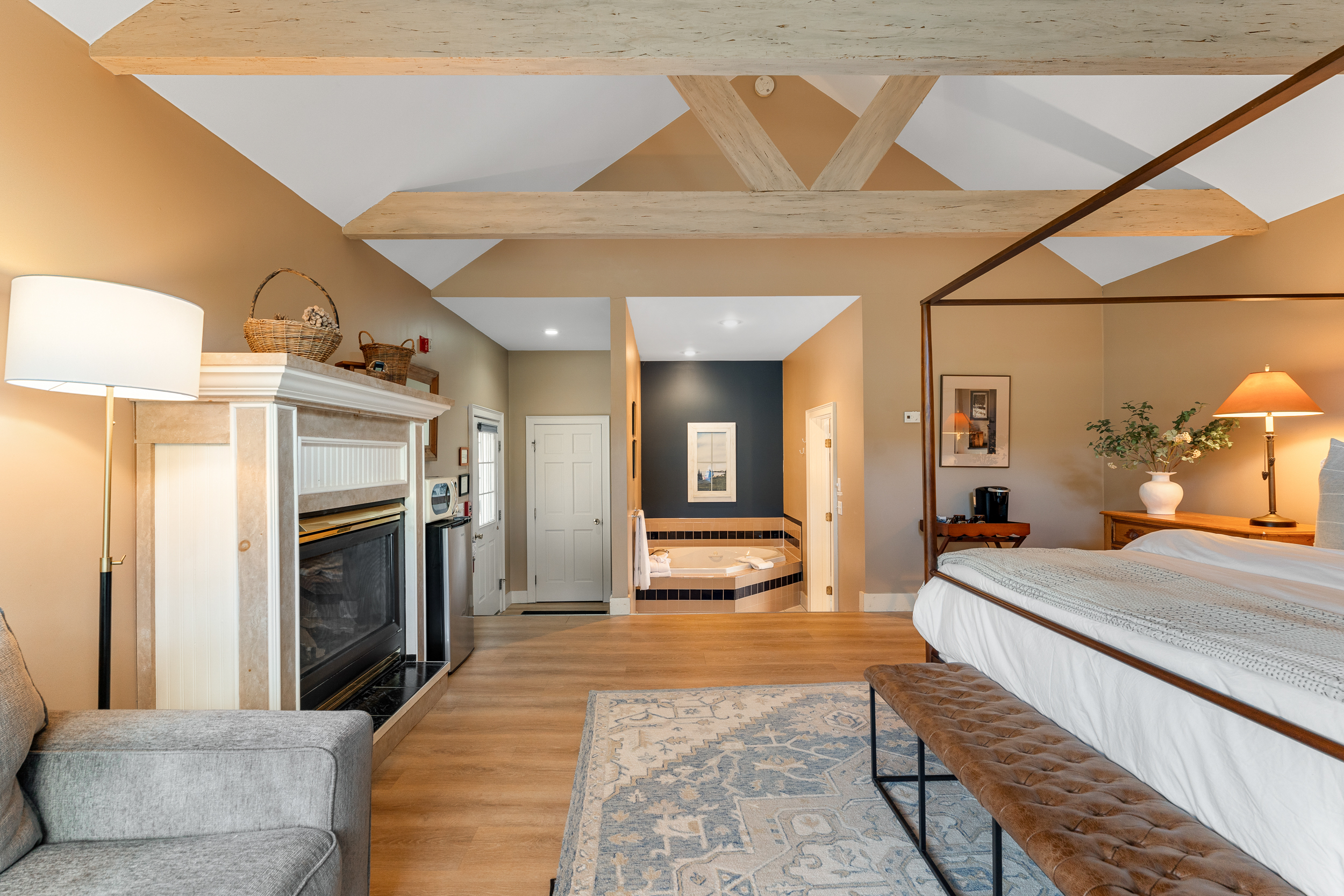
Beyond the philosophical appeals of slow travel Vermont, there are utterly practical advantages:
- You Actually Save Money
Rushing from place to place costs more than you realize:
- Multiple hotels mean multiple nightly rates, checkout fees, parking fees
- Constant driving burns fuel and time
- Feeling obligated to maximize each stop leads to paying for attractions you don’t fully enjoy
- Eating on the run means expensive, forgettable meals
Staying at Red Clover Inn for multiple nights means:
- Better nightly rates for extended stays
- One parking spot for your entire visit
- Freedom to skip attractions that don’t genuinely interest you
- Time to find the local restaurants where quality exceeds price
- You Make Better Decisions
- Decision fatigue is real. When you’re constantly choosing the next destination, restaurant, activity, route, parking spot, you deplete your mental resources.
Slow travel at Red Clover Inn means deciding once, this is home base, then making smaller, easier choices from there. The result? Better judgment, more satisfaction, less regret.
You Create Actual Memories
Quick visits blur together. Ask someone about their whirlwind trip six months later and they struggle to remember what they did where.
Slow travel creates distinct, lasting memories because you were actually present. You remember conversations, small details, how things felt, not just what they looked like in photos.
You Return Home Actually Rested
This might be the most practical benefit of all. Relaxed Vermont vacations that embrace slow travel mean you return home restored, not depleted. Monday morning doesn’t feel like punishment. You carry some of Vermont’s spaciousness back with you.
How to Practice Slow Travel (Even If It Feels Uncomfortable at First)
For people accustomed to maximizing, optimizing, and efficiently experiencing everything, slow travel can initially feel wrong, like you’re wasting time or missing out.
Here’s how to ease into it:
Before You Arrive
- Book more nights than you think you need: If you initially planned two nights, book three. You can always day-trip further if you feel restless, but you can’t easily extend if you wish you’d stayed longer.
- Limit pre-planning: Choose one or two “must-dos” for your whole visit, not each day. Leave space for spontaneity, weather-dependent decisions, and following recommendations from locals.
- Tell people you’re unplugging: Set expectations that you might not be responsive. This gives you psychological permission to actually disconnect.
During Your Stay
Say yes to second coffee: When breakfast feels done but conversation is good or you’re enjoying the morning light, stay. Order another coffee. Let the moment extend.
Build in margin time: If something is 20 minutes away, give yourself an hour to get there. Stop along the way. Arrive without stress.
Choose one thing per day: A hike or a town visit or a brewery tour. Not all three. Do the one thing well, with full attention.
Return to the inn between activities: Resist the urge to pack the day. Come back to Red Clover Inn mid-afternoon. Rest. Then decide if you want to go back out or stay put.
Notice when you’re moving too fast: Your body will tell you. Shallow breathing, tight shoulders, feeling hurried, these are signs to consciously slow down.
Give It Time
Slow travel might feel awkward the first day. Your default pace is hard to override. But by day two or three, something shifts. You stop feeling guilty about the things you’re not doing and start appreciating what you are doing.
That shift, from doing to being, is what mindful travel New England style is all about.
The Invitation to Move Slowly
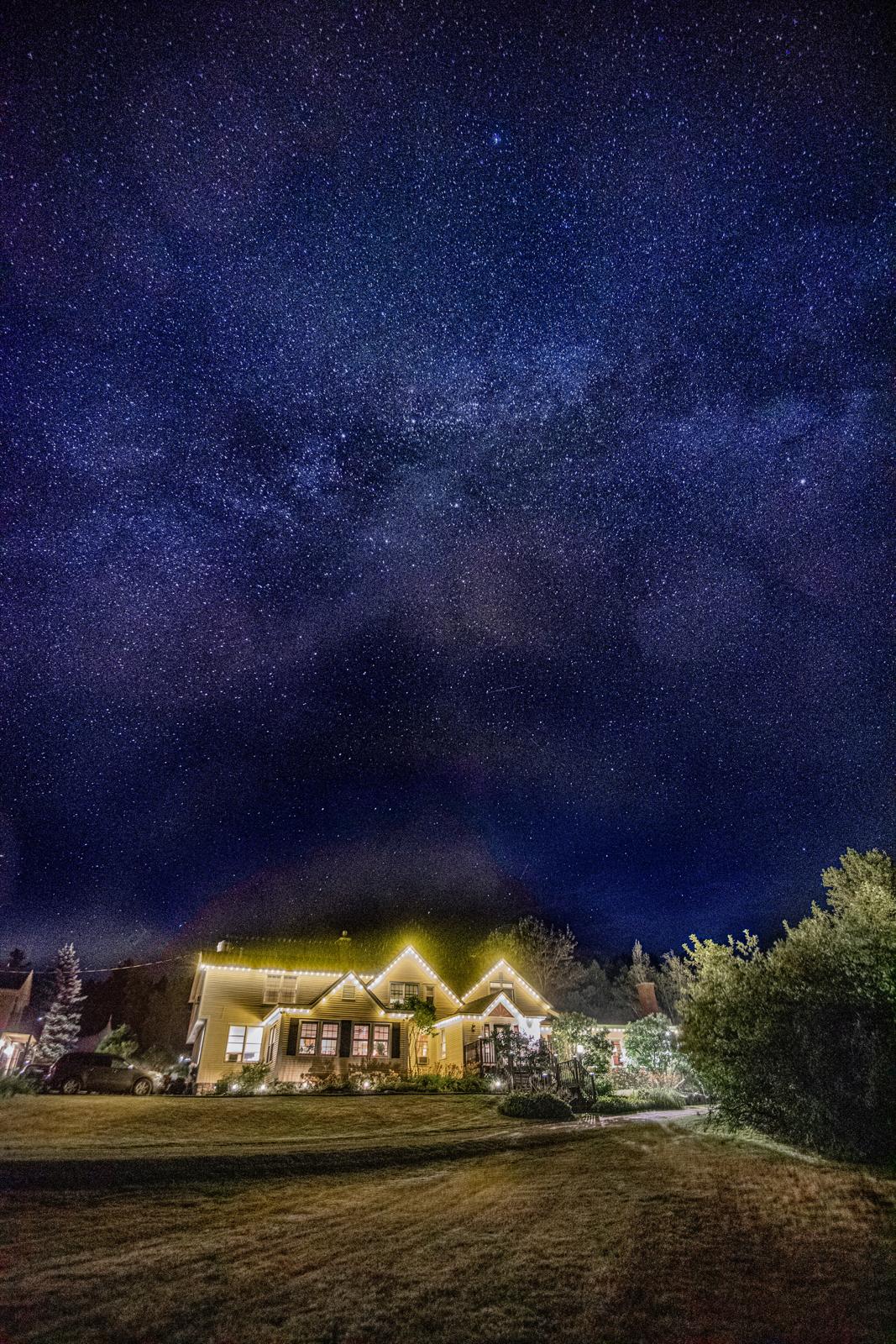
Red Clover Inn exists for travelers who are ready to try something different. Who’ve realized that checking off landmarks doesn’t equal fulfillment. Who want to return from Vermont feeling like they’ve actually been on vacation.
Our seven acres in the Green Mountains are waiting to be wandered slowly. Our rooms are designed for settling in, not passing through. Our team is ready to support whatever version of slow travel calls to you, whether that’s gentle daily adventures or gloriously doing almost nothing.
Summer and fall are particularly generous seasons for this approach. Long days and beautiful weather remove any excuse to rush. The landscape practically begs you to linger.
This is your permission to travel differently. To measure success not by miles covered but by moments fully inhabited. To understand that in Vermont, slowing down isn’t a compromise, it’s the entire experience.
Ready to slow down and fill up? Red Clover Inn invites you to experience slow travel Vermont-style: long breakfasts, unhurried walks, and the rare luxury of presence. Book three nights instead of two. Choose depth over distance. Discover why less is infinitely more.