

January 2026
There’s a particular ache that comes from visiting small-town Vermont, not sadness exactly, but a bittersweet recognition of something we’ve lost in most of modern America, something these places still hold.
It’s the ache of witnessing what community actually looks like. Of seeing beauty that exists without audience or applause. Of experiencing a pace of life that allows for noticing, for caring, for the small daily interactions that weave people together into something larger than themselves.
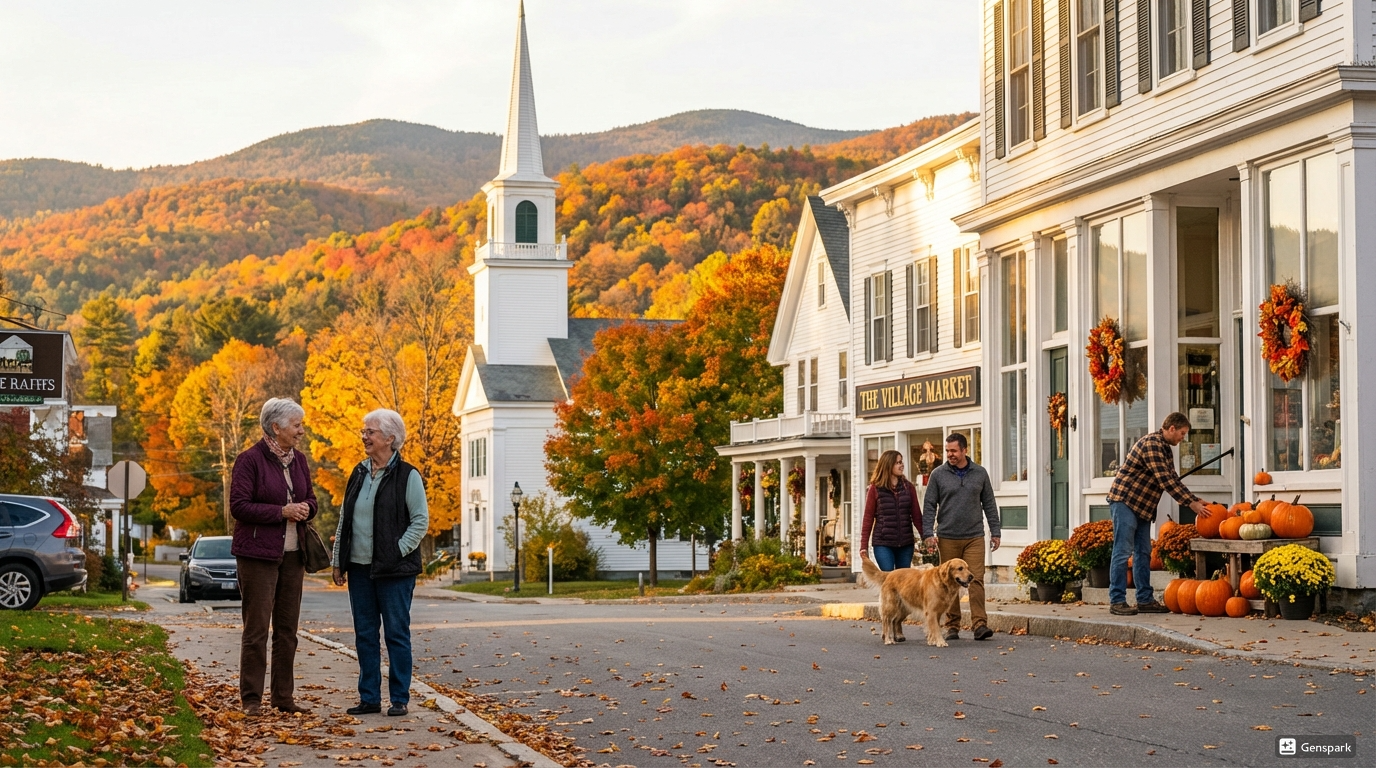
Small town Vermont charm isn’t about nostalgia for a past that never existed. It’s about continuity, communities that have remained essentially themselves across generations, adapting without abandoning what matters most.
From Red Clover Inn’s location in Mendon, itself a small Vermont town of just over 1,000 souls—we witness this daily. And we watch our guests encounter it, often for the first time, with a mixture of relief and longing. Relief that places like this still exist. Longing for the life they represent.
Fall is when this beauty becomes almost unbearably poignant. The mountains blaze with color. The harvest is in. The light takes on that golden quality that photographers chase. And small-town Vermont reveals itself at its most authentic, classic New England towns preparing for winter, gathering together, showing visitors what Vermont lifestyle travel actually means.
This is our love letter to these places, the small towns that have shaped Vermont’s character and somehow, against all odds, remain true to themselves.
What Small-Town Vermont Actually Means
Before we romanticize too much, let’s be clear: small-town Vermont isn’t perfect. It’s not a theme park or a movie set. These are real places with real challenges, economic struggles, aging populations, harsh winters, limited opportunities.
But within those realities, something essential persists that’s worth celebrating and protecting.
Population: Where “Small” Becomes Intimate
We’re talking about towns of 500 to 3,000 people. Places where:
- The school graduating class is 20 students, maybe 30
- Town Meeting Day means nearly everyone shows up to vote directly on local issues
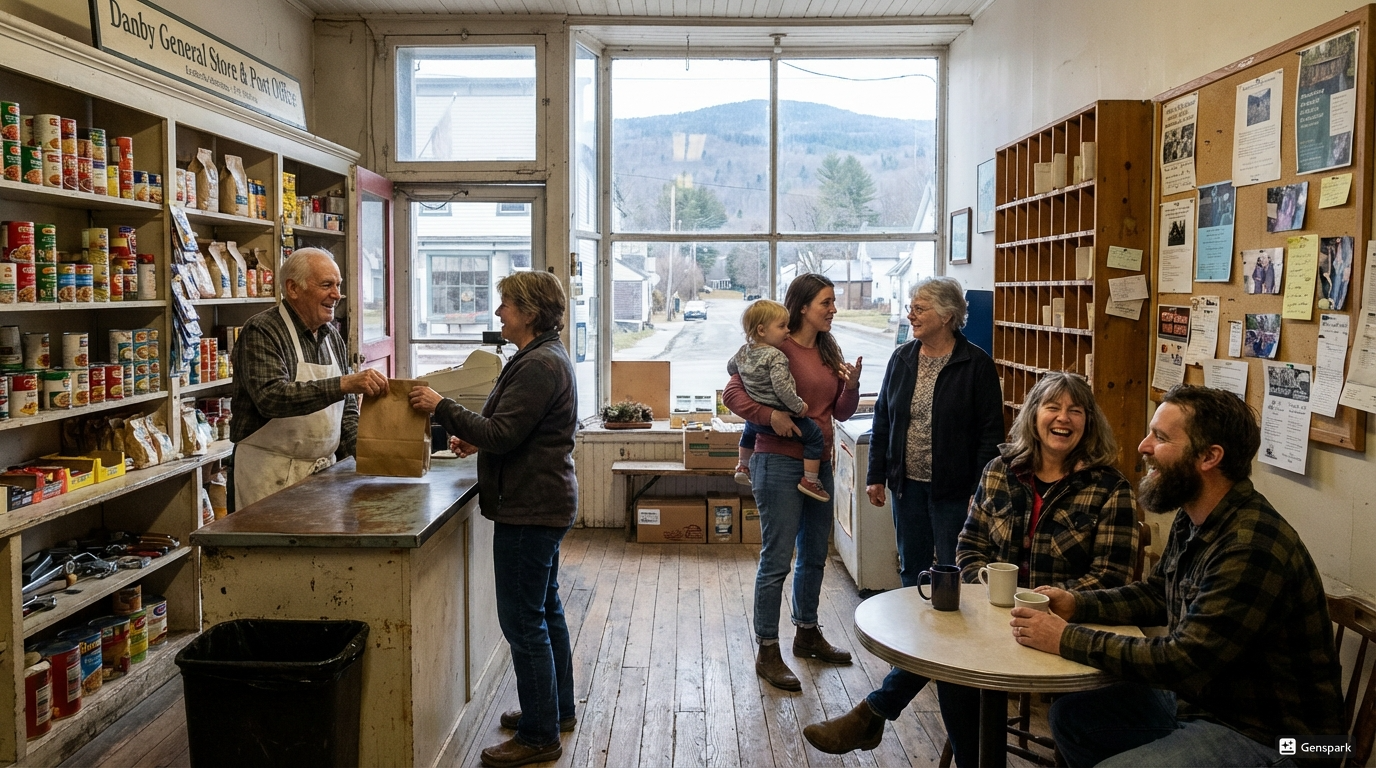
- The general store is also the post office, community bulletin board, and social center
- You can’t go to the grocery store without running into at least three people you know
- Newcomers are noticed and remembered after a single visit
- This scale creates accountability, connection, and visibility, for better and worse. You can’t be anonymous. You can’t be cruel without social cost. You can’t disappear when you’re struggling because someone will notice.
Architecture: The Bones of New England
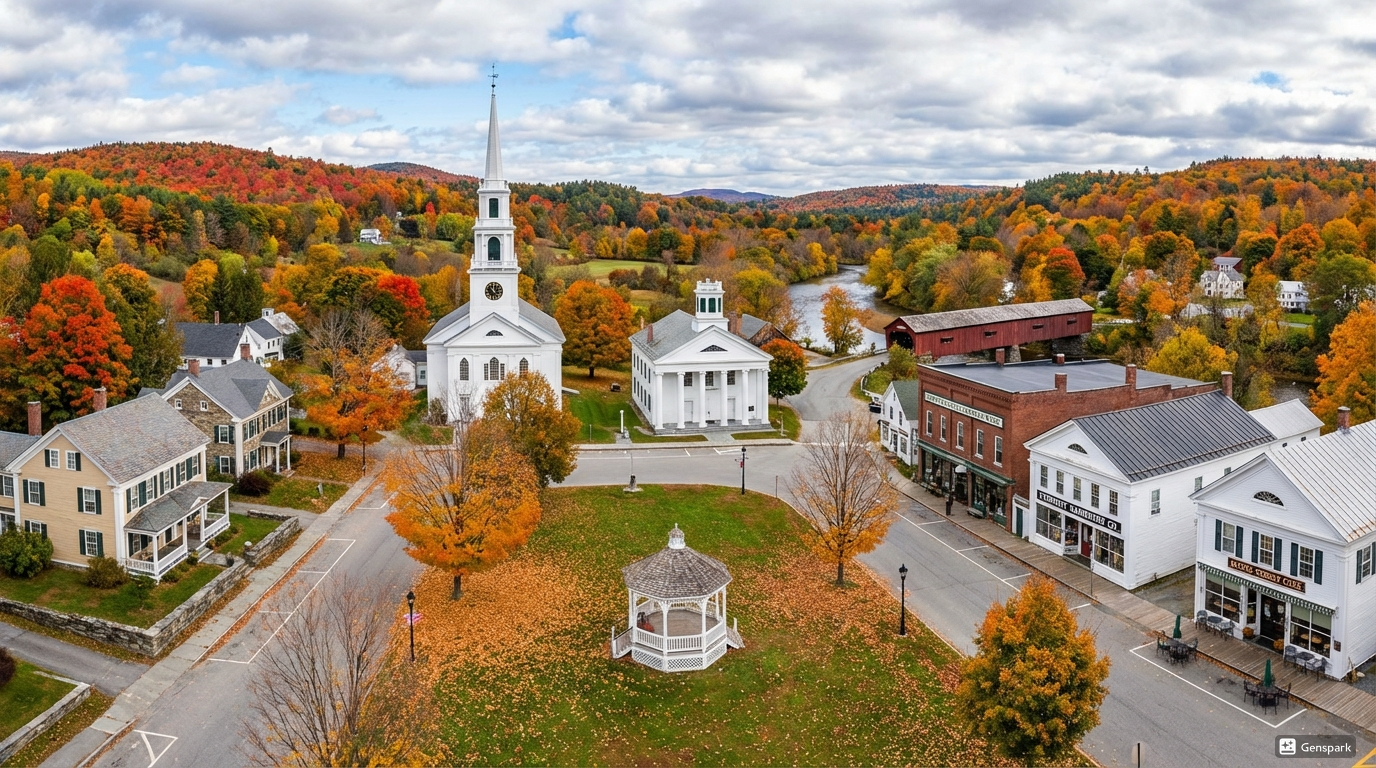
Classic New England towns share a visual vocabulary written in white clapboard, brick, and stone:
The village green: Central common space, often with a gazebo or bandstand, where community gathers for concerts, farmers’ markets, holiday celebrations
The white church: Steeple visible for miles, pointing skyward, architectural anchor of the town
Main Street: One primary commercial street, walkable end-to-end in fifteen minutes, mixing essential businesses (hardware, groceries) with newer arrivals (galleries, cafés)
The town hall: Often Greek Revival or Colonial, where democracy happens at human scale
Historic homes: Built between 1790-1920, mostly, showing continuity of architectural taste and craftsmanship
Covered bridges: Not in every town, but where they exist, fiercely protected and loved
These aren’t preserved as museums. They’re still-functioning elements of daily life, which is what gives them soul.
Economy: The Tension Between Then and Now
Small-town Vermont’s economy tells a complicated story:
What’s mostly gone: Manufacturing, quarrying, large-scale dairy farming that once employed much of the population
What’s emerged: Tourism, artisan food production, crafts and arts, remote workers who discovered they could live anywhere, small-scale farming focused on quality over quantity
The tension: How to welcome the economic benefits of tourism and newcomers without losing the authentic character that attracts them in the first place
Red Clover Inn exists within this tension. We’re part of the tourism economy that helps sustain small Vermont towns. But we try to do it in a way that supports rather than transforms, sourcing locally, hiring locally, encouraging guests to engage genuinely with community rather than consume it.
The Rhythm: Seasons and Rituals
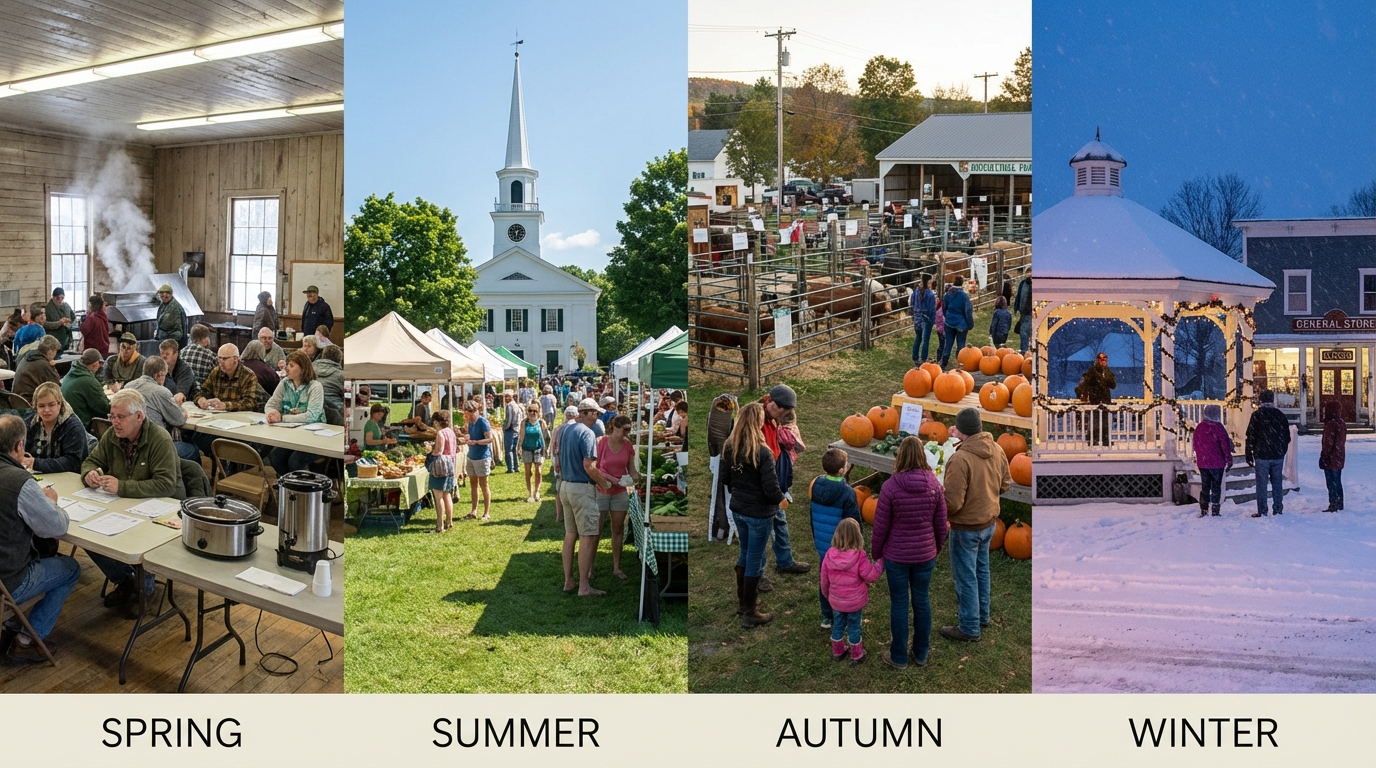
Small town Vermont charm is inseparable from the rhythm of seasons and community rituals:
March: Town Meeting Day—direct democracy, potluck suppers, everyone’s voice counted
Late March/April: Maple sugaring—sugarhouses steam day and night, pancake breakfasts everywhere
May: Memorial Day parades—solemn remembrance led by aging veterans
Summer: Farmers’ markets, band concerts on the green, Fourth of July celebrations with fireworks over the lake
September: Agricultural fairs showcasing the year’s work—livestock, vegetables, pies, quilts
October: Harvest suppers, haunted houses in the town hall basement, pumpkins everywhere
November: Thanksgiving preparations, early snow, hunkering down
December: Tree lighting ceremonies, caroling, the knowledge that winter will be long
These rituals aren’t performed for tourists. They happen because community needs them—ways to mark time, celebrate together, maintain connection through dark months.
Why Fall Is When Small Towns Shine Brightest
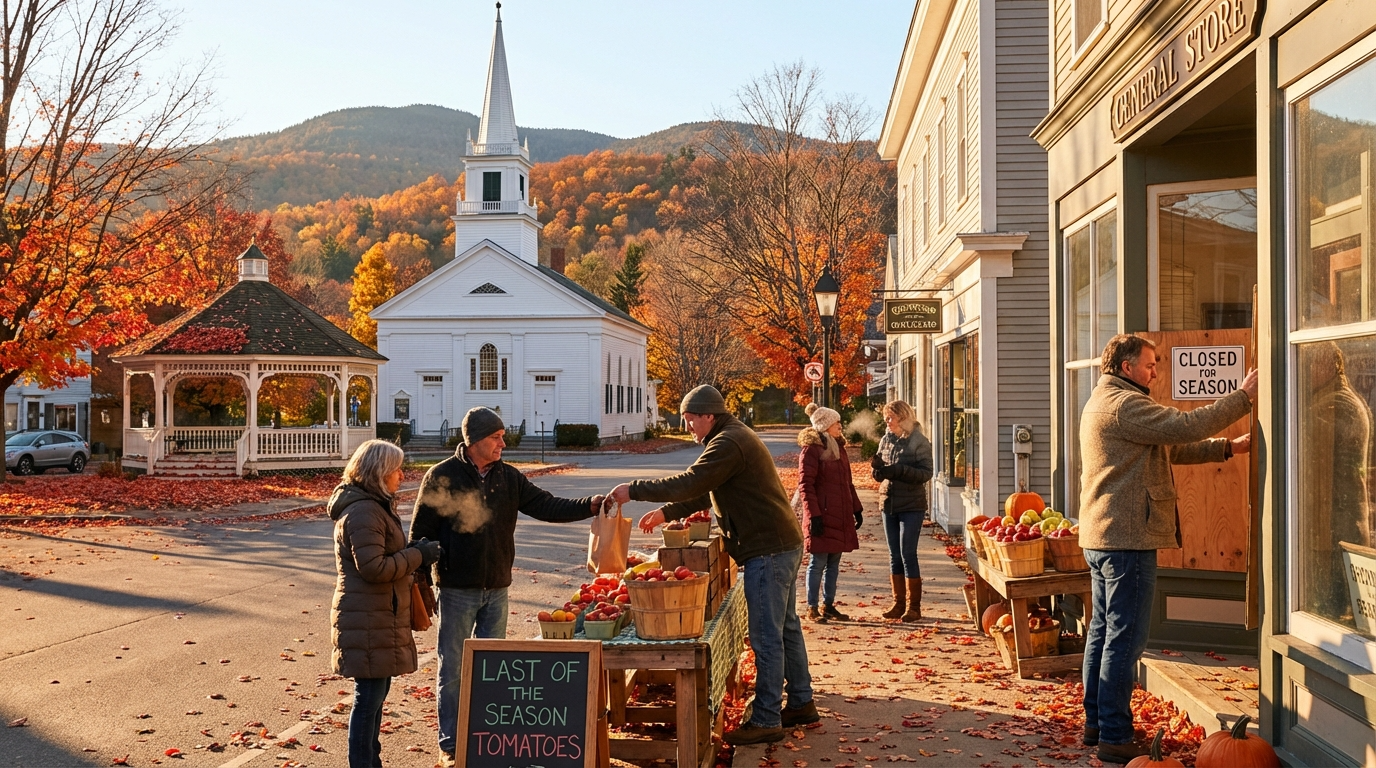
While small-town Vermont has beauty year-round, fall reveals something special—a combination of natural spectacle and cultural moment that makes the Vermont lifestyle travel experience particularly profound.
The Visual Glory
Obviously, the foliage. The mountains surrounding these towns ignite in color so intense it almost hurts. Every Main Street becomes framed by gold and crimson. Every white church steeple rises against a backdrop of fire.
But it’s more than the leaves. It’s:
- The light: October sun slants lower, creating that golden hour quality that lasts for hours
- The harvest: Farm stands overflow, pumpkins pile high, the visual abundance of successful growing season
- The preparation: Woodpiles stacked for winter, gardens put to bed, visible evidence of people caring for their place
- The contrast: Brilliant color against white clapboard, blue sky, dark evergreens—nature’s perfect color palette
The Cultural Moment
Fall is when Vermont’s agricultural heritage becomes most visible:
- Apple harvest: Orchards invite picking, cider presses run, the smell of apples fills the air
- Pumpkin everything: Not just decoration, pumpkins for pie, for carving, for livestock feed
- Harvest suppers: Church basements and town halls host community dinners celebrating the year’s bounty
- Preparation rituals: Putting gardens to bed, winterizing homes, stacking firewood—visible reminders that winter is coming and community matters for survival
For visitors, witnessing this creates unexpected emotion. These aren’t historical reenactments. This is continuous culture, people doing what their grandparents did, what their grandchildren probably will do, maintaining connection to land and season and each other.
The Poignant Awareness
Fall in Vermont carries bittersweet knowledge: this beauty is temporary, winter is coming, darkness will soon dominate. There’s urgency to gather, to celebrate, to be together while weather allows.
This gives fall’s beauty an almost unbearable poignancy. You’re not just seeing pretty colors. You’re witnessing a moment cultures have marked for millennia—the harvest, the preparation, the gathering before scarcity.
Small towns embody this fully. You feel it walking Main Streets as shopkeepers prepare for winter, at farmers’ markets where this might be the last week for fresh tomatoes, in the way people linger in conversation because soon everyone will be hunkered inside.
Small Towns Near Red Clover Inn Worth Your Heart
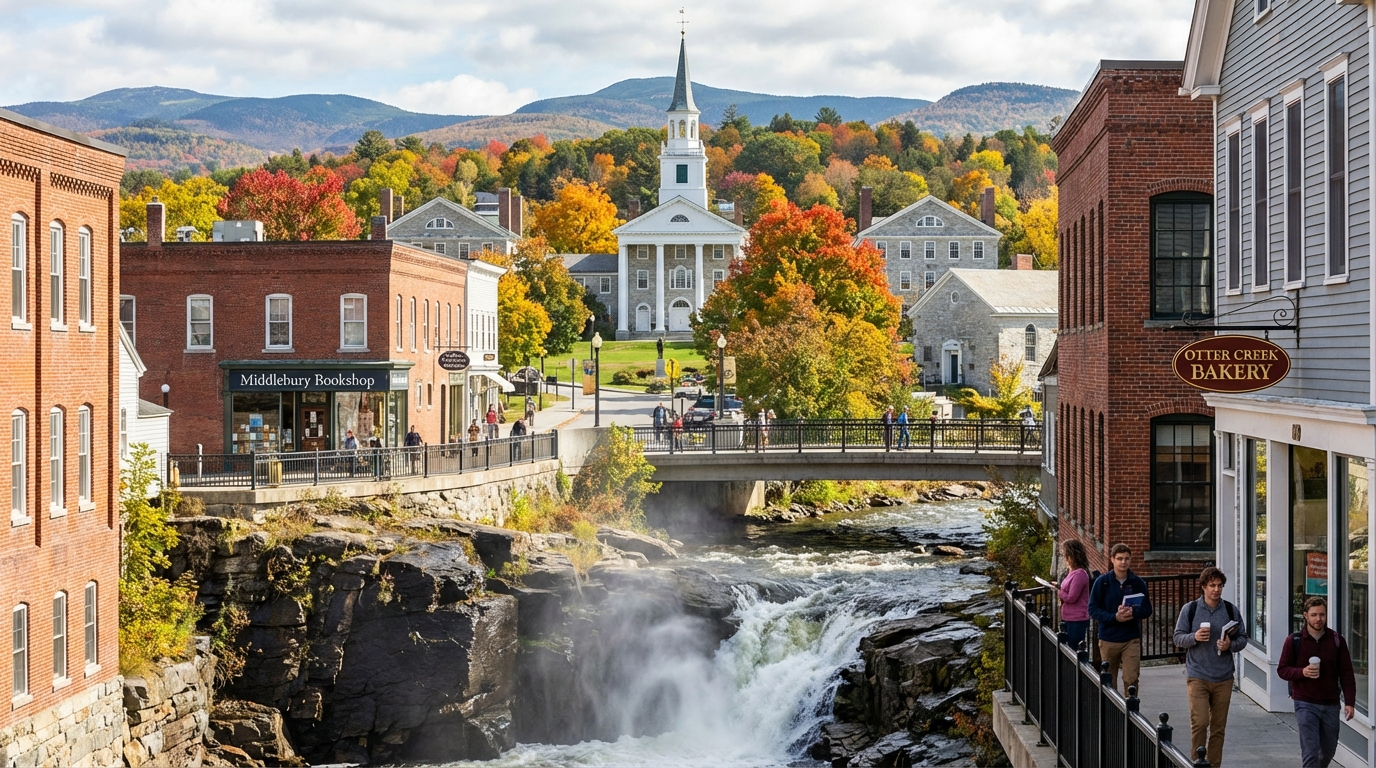
From our inn in Mendon, you can reach dozens of small Vermont towns, each with its own character. Here are a few that consistently capture guests’ hearts:
Mendon (Our Home)
Population: ~1,100
What we love: Genuine working community, surrounded by national forest, no pretense whatsoever
Mendon doesn’t try to be charming, it just is. This is a town that exists for its residents, not its visitors, which paradoxically makes it perfect for visitors seeking authenticity. Stop at Mendon Country Store for sandwiches and local conversation. Drive Route 4 through Mendon Gorge. Notice how the town maintains itself quietly, without fanfare.
Pittsfield
Population: ~500
What makes it special: Tiny but complete, everything a town needs and nothing it doesn’t
Pittsfield has a Main Street you can walk in ten minutes, a beautiful town green, a general store, a library beloved by locals, and that particular Vermont quality of being simultaneously humble and dignified. Fall foliage surrounding the white-steepled church creates the definitive Vermont postcard.
Rochester
Population: ~1,100
What captures hearts: Mountain setting so beautiful it almost seems unreal, working farms still central to identity
Rochester sits in a valley surrounded by peaks. The village center is National Register Historic District. Liberty Hill Farm offers farm dinners where you eat with the family and learn about dairy farming. This is Vermont maintaining agricultural heritage against economic odds—and succeeding through sheer stubbornness and community commitment.
Chelsea
Population: ~1,200
What stands out: Unspoiled 19th-century village center, genuine community pride without tourist performance
Chelsea’s Main Street looks essentially as it did in 1850. The buildings aren’t preserved as museums—they’re working businesses, homes, the town clerk’s office. Fall farmers’ market here captures small-town Vermont perfectly: everyone knows everyone, the produce is from gardens you could walk to, transactions include genuine conversation.
Grafton
Population: ~600
Special consideration: Carefully preserved but still genuine
Grafton is Vermont’s most preserved village, which could make it feel museum-like, but somehow doesn’t. The Grafton Village Cheese Company still makes cheese you can watch and taste. The Old Tavern has welcomed guests since 1801. White picket fences line streets that haven’t changed in appearance for 150 years. In fall, it’s almost impossibly picturesque.
Newfane
Population: ~120 (village), ~1,700 (town)
What makes it remarkable: Classic village green surrounded by pristine historic buildings
Newfane’s village center is what people imagine when they think classic New England towns: immaculate green, white buildings, sense of timeless order. The Windham County Courthouse (1825) still operates. Fall colors framing this white-and-green perfection create images people carry in memory for years.
What Happens When You Spend Time in These Places
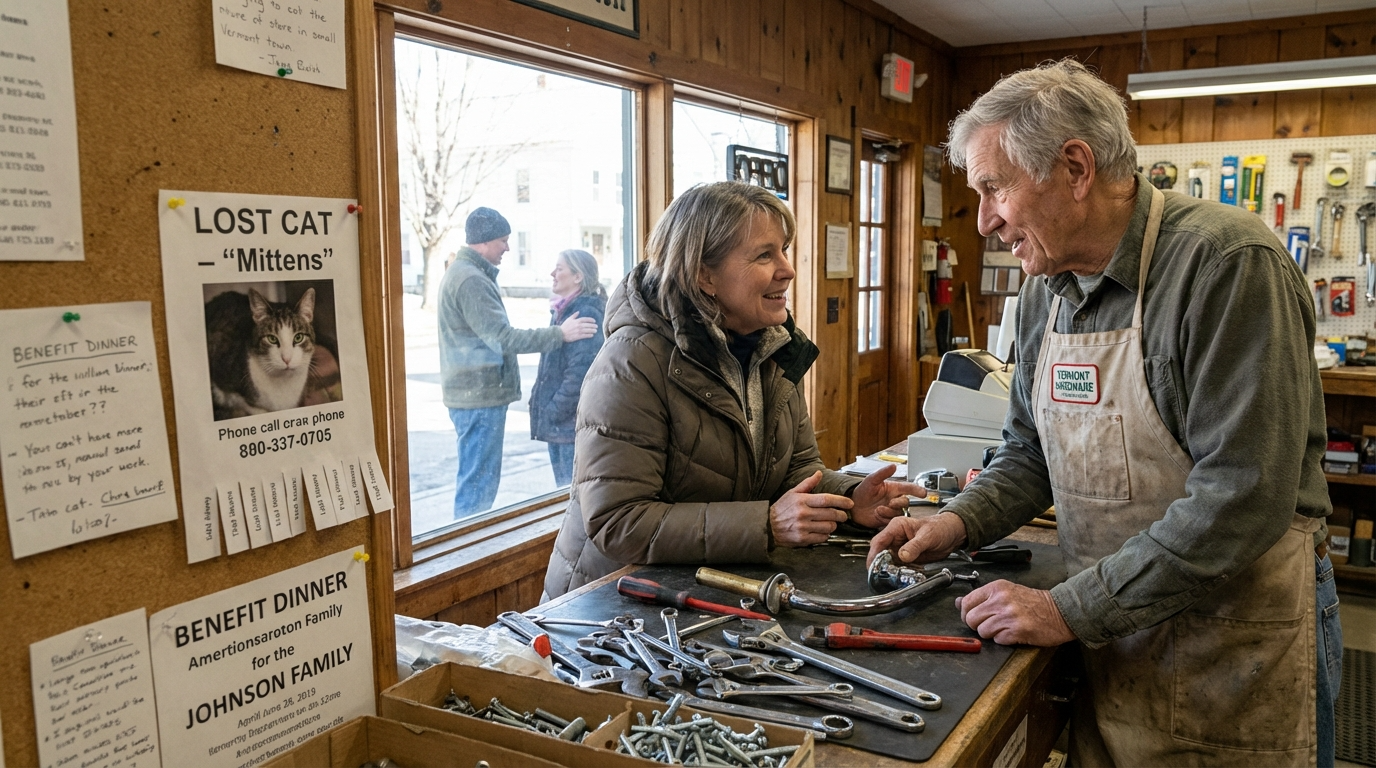
Vermont lifestyle travel centered on small towns isn’t about checking them off a list. It’s about slowing down enough to let them affect you.
Here’s what guests tell us happens when they truly spend time in small-town Vermont:
- You Remember What “Community” Actually Means
In cities and suburbs, “community” is often abstract—a word we use, a value we claim, but rarely experience directly.
In small-town Vermont, it’s visible:
- The hardware store owner helping a customer solve a problem for twenty minutes, no purchase required
Neighbors stopping to chat on Main Street, genuinely asking how someone’s mother is recovering - The community bulletin board covered with notices about lost cats, fundraisers for medical bills, volunteer opportunities
- Town Meeting where everyone’s voice literally counts equally
- You witness people taking care of each other because they have to, and because they choose to. It reminds you that humans are built for this scale of connection.
You Notice Beauty Without Performance
Small-town Vermont is beautiful, but not performing its beauty. The flowers in front of the library weren’t planted for Instagram. The mountains aren’t a backdrop—they’re the actual landscape where people live and work.
This unstaged beauty does something to your nervous system. You stop curating your own experience and start simply experiencing it. Photos become less important than presence.
You Feel Time Differently
These towns operate on different time:
- Conversations aren’t rushed
- Stores close when they need to, not according to corporate policy
- People prioritize relationship over efficiency
- The pace accommodates human needs rather than demanding humans accommodate the pace
- After a day or two, you feel yourself slowing to match. It’s not laziness—it’s remembering that rushing isn’t actually required for a meaningful life.
You Gain Perspective on Your Own Life
This might be small town Vermont charm’s greatest gift: the perspective that comes from witnessing a different way of organizing life.
You realize:
- Community is possible but requires staying put and showing up
- Beauty doesn’t require wealth, just care and attention
- Slower can actually mean richer, not less
- The things that matter, connection, beauty, meaning, are available at any scale
- You return home changed. Maybe you can’t move to a Vermont village of 500 people. But you can bring some of what you learned: slowing down, noticing beauty, investing in relationship, choosing presence over productivity.
The Challenges These Towns Face (And Why They Matter)
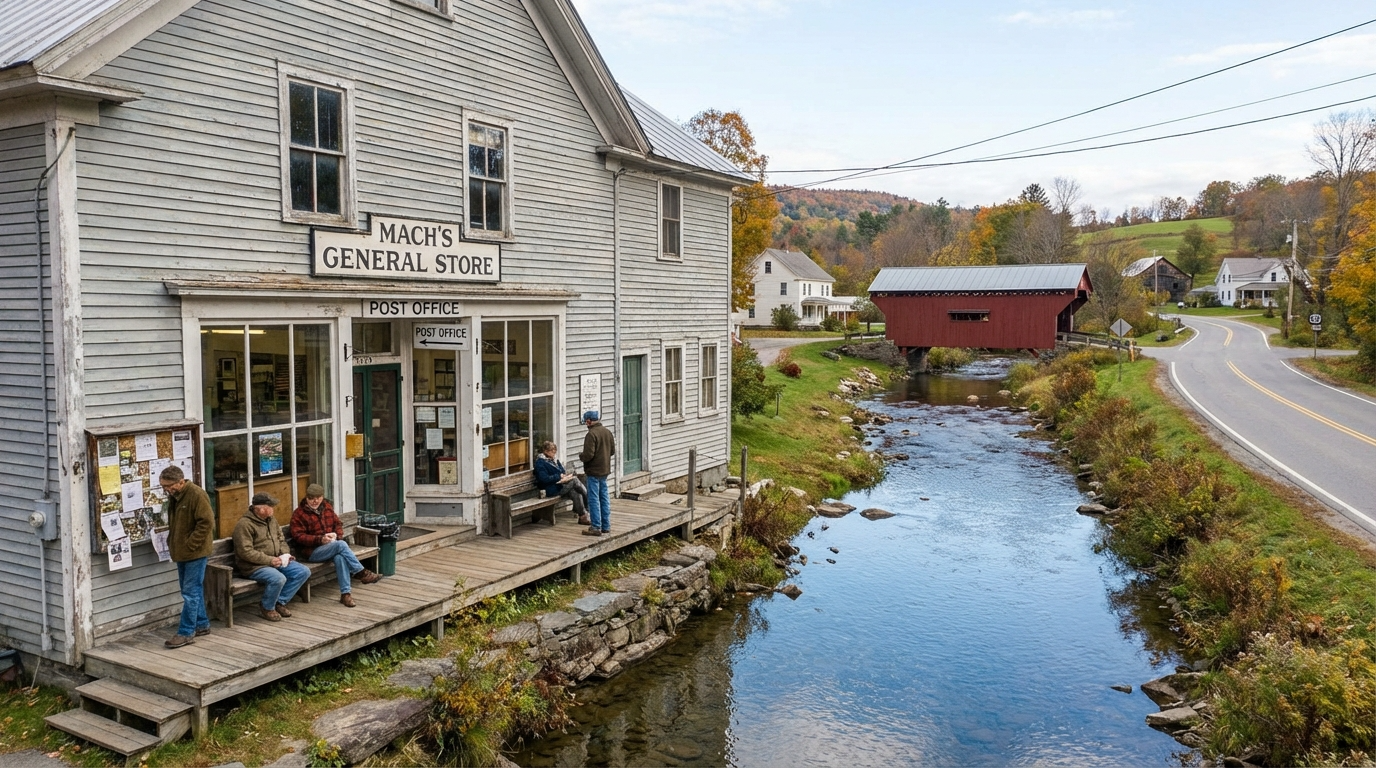
Our love letter wouldn’t be honest without acknowledging that small-town Vermont faces real challenges:
Economic Sustainability
With manufacturing and large-scale agriculture mostly gone, many small towns struggle economically. Young people leave for opportunities elsewhere. Main Streets have empty storefronts. The tax base shrinks while infrastructure needs remain constant.
Tourism helps, but it’s a double-edged sword. Too much tourism transforms a town into something performed rather than lived. Too little means businesses can’t survive.
The balance is delicate, essential, and constantly negotiated.
Aging Population
Vermont has one of the oldest populations in America. Small towns especially skew older as young people leave for education and careers. This creates wisdom and stability, but also questions about future vitality and who will maintain these communities in coming decades.
Climate and Isolation
Vermont winters are genuinely harsh. Rural roads are far from services. Healthcare requires driving to larger towns. The isolation that creates intimacy also creates hardship, especially for elderly residents or those with limited mobility.
Affordability Paradox
As remote work enables more people to move to Vermont, housing prices rise. Longtime residents—especially those in service jobs that keep towns functioning—increasingly can’t afford to stay in their own communities.
The very appeal that draws newcomers threatens to price out the people who created that appeal.
Why These Challenges Matter to Visitors
You might wonder: why should travelers care about the economic and social challenges of small Vermont towns?
Because authentic Vermont experience depends on these towns remaining genuinely themselves—lived-in communities, not preserved historic sites or wealthy enclaves.
When you visit, how you spend money and attention matters:
Support local businesses: The hardware store, the diner, the independent bookshop—not just the curated artisan boutique
Respect that these are homes: Take photos respectfully, don’t block driveways, remember that the cute house is someone’s actual residence
Engage genuinely: Conversation with locals should be authentic interest, not extractive tourism
Stay longer, spend thoughtfully: Book multiple nights at local inns like Red Clover, eat at locally-owned restaurants, buy from farm stands and co-ops
Tell the right story: Share what makes these places special in ways that attract other respectful visitors, not Instagram hordes
Small-town Vermont’s survival depends partly on visitors who understand and value what makes it special, and spend accordingly.
How Red Clover Inn Fits into This Story
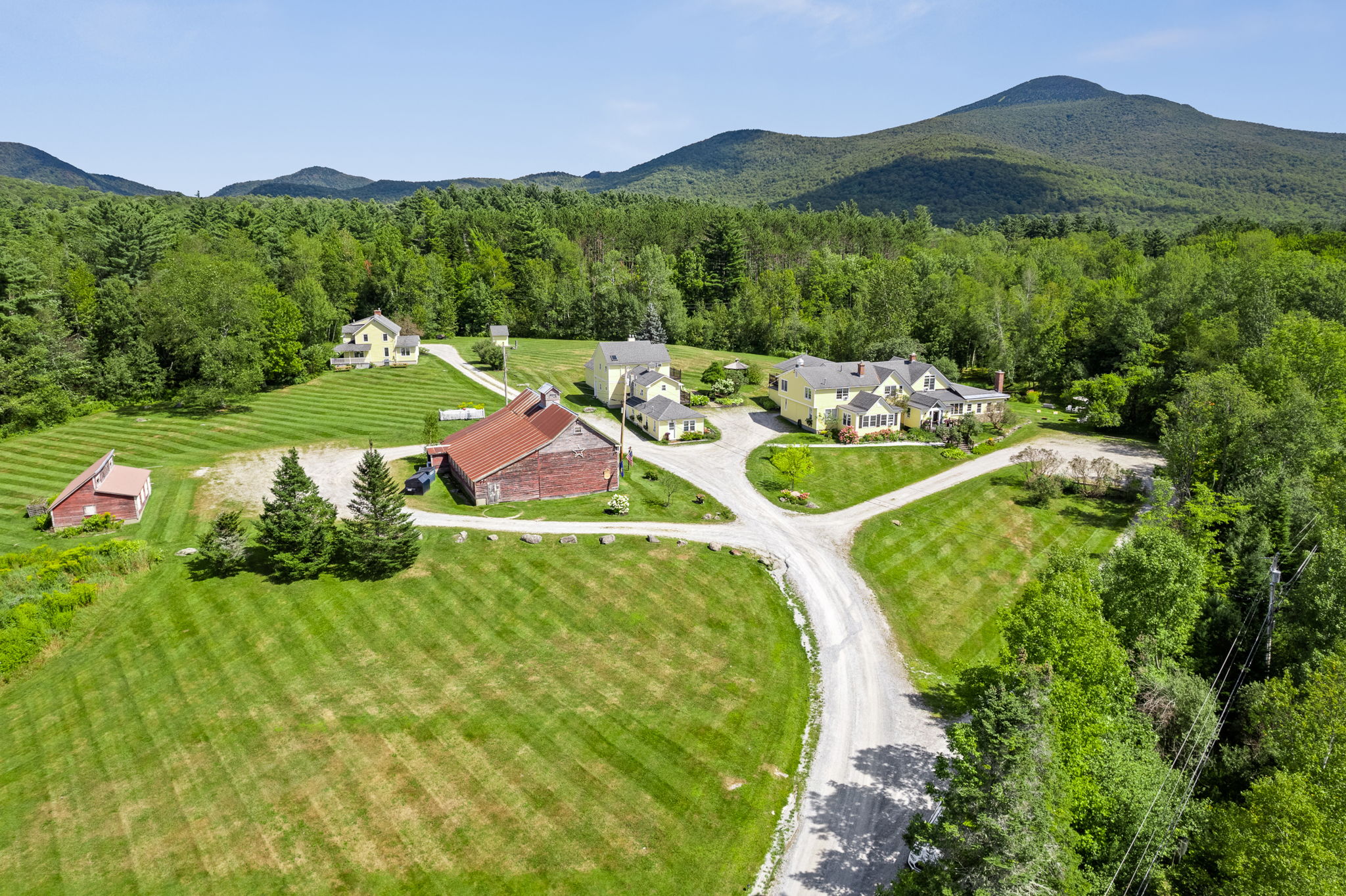
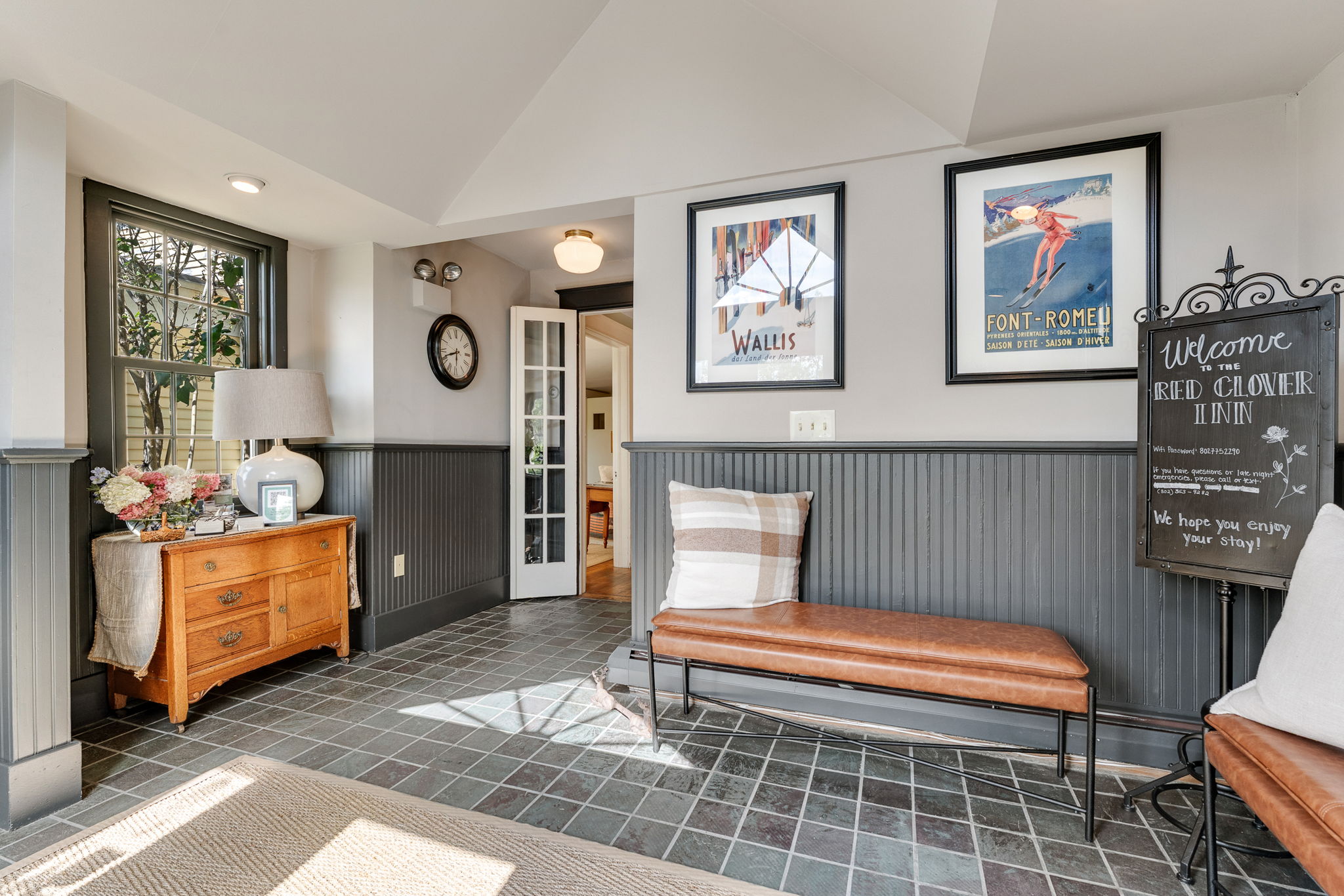
Red Clover Inn exists at the intersection of tourism and community. We’re honest about this position: we need visitors to survive, but we also deeply love the small-town Vermont character we’re part of.
Our Commitment to Small-Town Vermont:
We’re located in one: Mendon isn’t a tourist destination—it’s a real working town where we’re neighbors, employers, and community members
We source locally: Our breakfast ingredients come from nearby farms when possible, supporting the agricultural economy that defines rural Vermont
We hire locally: Our team members live in surrounding small towns, bringing local knowledge and genuine connection
We recommend authentically: We send guests to real community businesses, not just tourist-oriented ones
We advocate for sustainability: Supporting policies and practices that help small towns remain viable for actual residents, not just visitors
We model the pace: Our hospitality reflects small-town Vermont values—unhurried, personal, genuine rather than efficient and transactional
What We Ask of Guests:
Approach with respect: You’re visiting someone’s home community, not a theme park
Spend thoughtfully: Support businesses that serve locals year-round, not just seasonal tourist shops
Engage genuinely: Conversations, not just transactions
Understand context: If a store is closed unexpectedly or service is slower, recognize that small-town life operates differently
Carry the spirit forward: Let what you experience here influence how you live at home
A Fall Weekend in Small-Town Vermont from Red Clover Inn
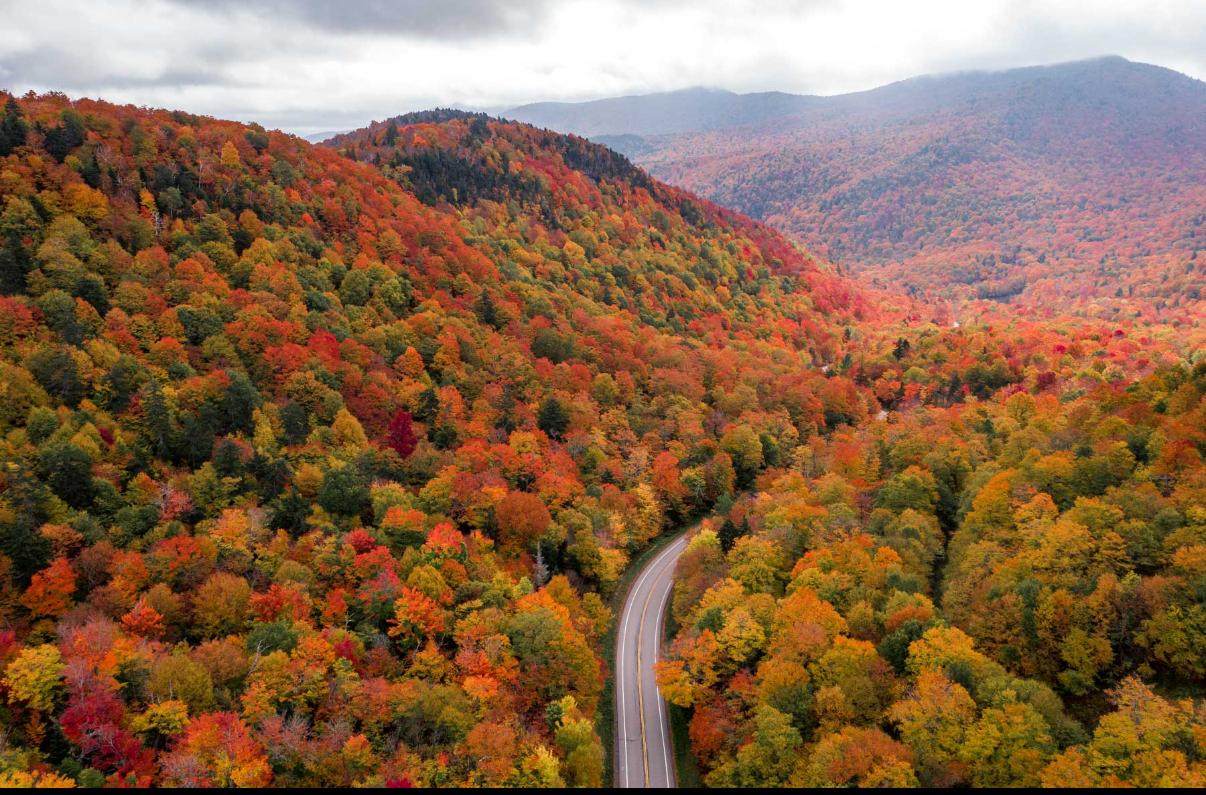
Let us paint you a picture of what Vermont lifestyle travel centered on small towns looks like during fall’s peak beauty:
Friday Evening: Arrival and Settling
You arrive at Red Clover Inn in late afternoon, October light already going golden. Check-in is unhurried—we talk about what brought you to Vermont, what you’re hoping to experience, share our genuine recommendations.
Your room overlooks mountains just beginning their color transformation. You unpack fully, hang clothes, arrange books on the nightstand. Already the pace is slowing.
Dinner at a nearby restaurant we’ve recommended, locally owned, farm-to-table before it was trendy, where the server knows half the diners by name. You linger over local wine and conversation, watching the light fade outside.
Back to the inn for fire and early bed, windows open to cool mountain air. The deep sleep of people who’ve already left the noise behind.
Saturday: Exploring Classic New England Towns
Wake naturally to birdsong and that particular October light. Breakfast on our terrace if weather permits—local eggs, Vermont maple syrup, real conversation with other guests about where everyone’s from and what brought them here.
Morning drive to Chelsea for the farmers’ market. It’s small, maybe a dozen vendors, but everything is genuinely local. You buy apples from trees you can see from where you’re standing, cheese from a creamery ten miles away, maple syrup from a sugarhouse the producer describes in detail.
The conversations are unhurried. The farmer asks where you’re visiting from, tells you about this year’s growing season, recommends how to store the heirloom tomatoes you’re buying. Twenty minutes passes without you noticing.
Lunch in Rochester, simple, local, satisfying. Then an afternoon drive through backroads connecting small towns, stopping whenever something catches your eye. A covered bridge. A farm stand. A cemetery on a hilltop with views that explain why settlers chose this spot 200 years ago.
You’re not rushing. There’s no next thing demanding your arrival. You’re simply here, noticing.
Late afternoon return to Red Clover Inn. Reading in the library. Walking our grounds as the day’s light shifts. Watching other guests return from their own explorations, everyone slightly softened, moving more slowly.
Dinner is early at a classic Vermont inn nearby, the kind that’s been welcoming travelers since the 1800s, where nothing is trendy but everything is good. The dining room overlooks a village green now framed by color so intense it looks painted.
Evening by our fire with other guests, sharing discoveries. Someone found an incredible pottery studio. Someone else stumbled on a sugarhouse giving tours. The conversation flows easily, people who were strangers this morning, connected by shared appreciation for what they’re experiencing.
Sunday: Deepening Before Departure
Another slow morning. You realize you haven’t checked email or scrolled social media since arriving—not from discipline, but from genuine lack of interest.
After breakfast, a walk through Mendon itself. It’s tiny, genuinely unpretentious, and somehow that makes it perfect. You stop at the country store for coffee and find yourself in conversation with a local about the best foliage drives, which roads to take, what to look for.
A short drive to Pittsfield or Newfane, you choose based on morning feeling rather than must-see imperative. Walk the village green. Photograph the white church against blazing maples. Sit on a bench and simply watch the place for twenty minutes.
The beauty is almost painful, not because it’s perfect, but because it’s real. This isn’t preserved for you. It exists whether you witness it or not. And somehow that makes witnessing it more precious.
Late checkout (we’re flexible because we understand you’re not ready to leave). Reluctant packing. One more walk around the inn’s grounds, storing up the feeling of spaciousness and quiet for the week ahead.
Departure with the knowledge that you’re not just leaving with photos, you’re leaving changed. These small towns have given you something: permission to slow down, evidence that community still exists, beauty that didn’t perform for your attention, perspective on what actually matters.
What You Carry Home
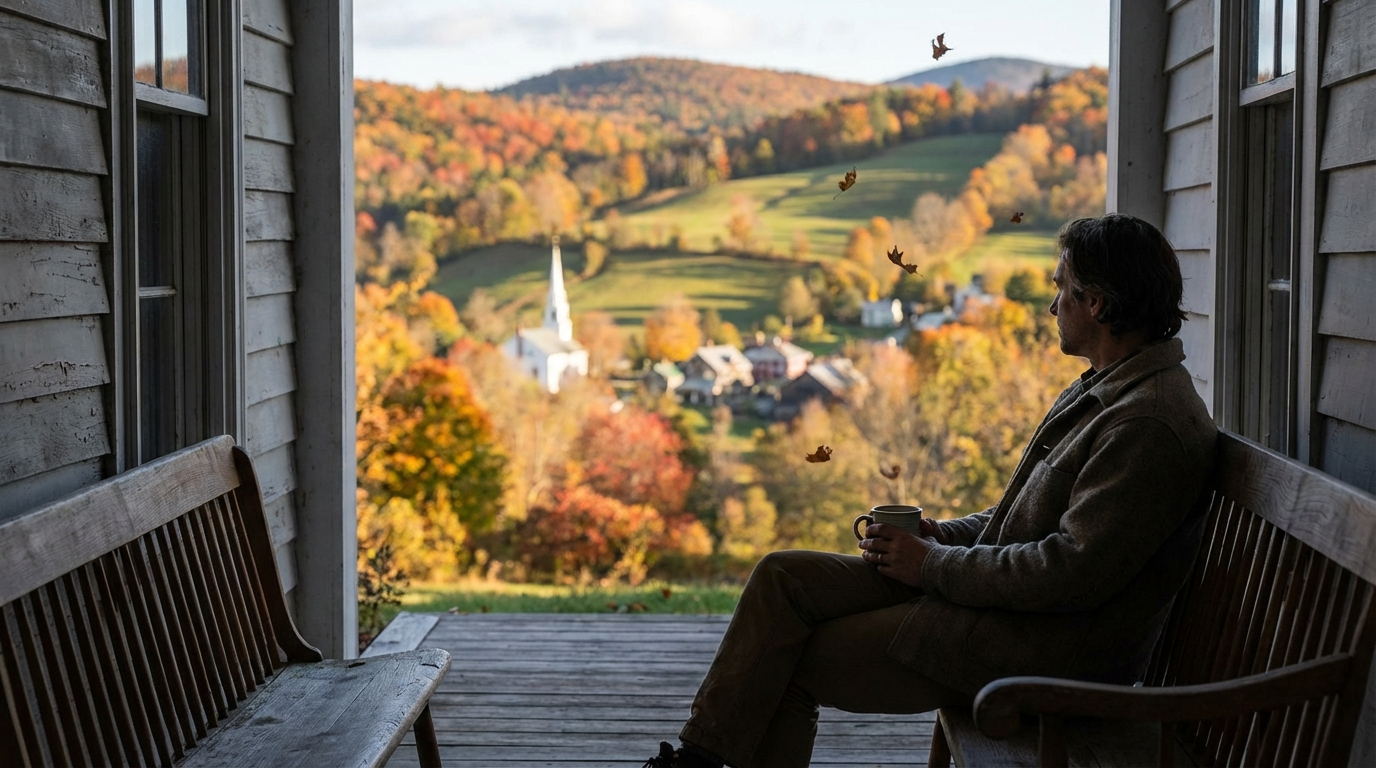
The gift of small-town Vermont isn’t just the weekend experience, it’s what follows you home.
Guests tell us that weeks, months, even years later, they remember:
The conversations: With locals who shared their lives generously, with other travelers who became unexpected friends, with innkeepers who genuinely cared
The beauty that existed without audience: Mountains that blazed whether anyone was watching, villages that maintained themselves for residents, not visitors
The pace that allowed noticing: Time to see the way light moved across a valley, to watch leaves fall, to really taste your coffee
The evidence that different ways of living persist: Communities that prioritize relationship over efficiency, beauty over profit, continuity over novelty
The questions it raised: Could I live more like this? What would I need to change? What am I rushing toward and why?
This is what we mean when we say Vermont’s greatest gift is perspective. Small towns offer a mirror, showing you not just a different place, but a different way of being.
The Love We’re Declaring
So here’s our love letter’s closing:
We love small-town Vermont for its stubbornness, refusing to disappear despite economic pressure, demographic challenges, and the homogenizing forces of modern America.
We love it for its unpretentiousness, beauty without performance, community without announcement, continuity without nostalgia.
We love it for the space it holds, literal space in landscapes not overcrowded, and metaphorical space in pace not over-scheduled.
We love it for the hope it represents, evidence that humans can still organize life around community, beauty, and care rather than just efficiency and profit.
We love it for how it changes visitors, sending them home with more than photos, with actual perspective on what matters and what doesn’t.
And we love it selfishly, honestly: because it’s our home, the place that shaped us, the community we’re part of and committed to protecting.
Small town Vermont charm isn’t quaint or cute or nostalgic. It’s essential. It reminds us of possibilities we’re in danger of forgetting.
And it’s here, in Mendon, in Chelsea, in Rochester and Pittsfield and Grafton and Newfane and dozens of other small towns dotting these mountains, waiting for anyone who takes time to truly see it.
Especially in fall, when the beauty becomes almost unbearable and the urgency to gather before winter feels ancient and essential.
Come see what we love. Stay at Red Clover Inn and let us introduce you to the small towns that have captured our hearts. Slow down enough to let them capture yours too.
Because these places, and what they represent, are worth loving, protecting, and carrying forward.
Fall in love with small-town Vermont. Red Clover Inn welcomes you into the heart of authentic Vermont community, where classic New England towns reveal their truest character during fall’s spectacular beauty. Experience Vermont lifestyle travel that changes how you see the world and your place in it.
[Begin Your Small-Town Vermont Love Story at Red Clover Inn →]